China is one of Colombia's most important sources of imported goods, from machinery and spare parts to textiles, electronics, packaging and furniture. Whether you are a Colombian company buying directly, a foreign business supplying Colombian customers, or a sourcing agent coordinating orders, the route from a Chinese factory to a warehouse in Bogotá follows the same basic steps.
This guide walks through each of them and flags the points where Colombia's rules differ from what you may be used to elsewhere.
Step 1: Vet the supplier
Most costly problems start before the cargo ever moves: wrong specifications, quality that doesn't match the sample, or a supplier that stops responding after receiving a deposit.
Before paying, it is worth:
- Checking the business license and confirming the company name matches the bank account you are paying.
- Ordering samples and keeping them as a quality reference.
- Putting everything in writing: specifications, packaging, carton marks and ship date.
- Booking a third-party pre-shipment inspection, especially for large orders or new suppliers.
- Agreeing sensible payment terms, such as a deposit with the balance against shipping documents, or a letter of credit for larger amounts.
If the buyer is a Colombian company, keep in mind that import payments must be channelled through the foreign exchange market (in practice, a bank) under Colombia's exchange regulations.
Step 2: Choose an Incoterm
The Incoterm sets where the seller's obligations end and the buyer's begin. For China shipments, the common choices are:
- EXW: the buyer handles everything from the factory door, including Chinese export clearance. It requires a reliable agent at origin.
- FOB: the supplier delivers the goods on board at the Chinese port. This is the most popular option because the buyer controls the main freight and insurance.
- CFR / CIF: the supplier books the freight (and, under CIF, minimum insurance). Convenient on paper, but the buyer loses control over carrier choice, timing and destination charges.
For most importers, FOB combined with a forwarder they trust is a good balance. Our Incoterms 2020 guide covers the full set.
Step 3: Pick the freight mode
Ocean freight
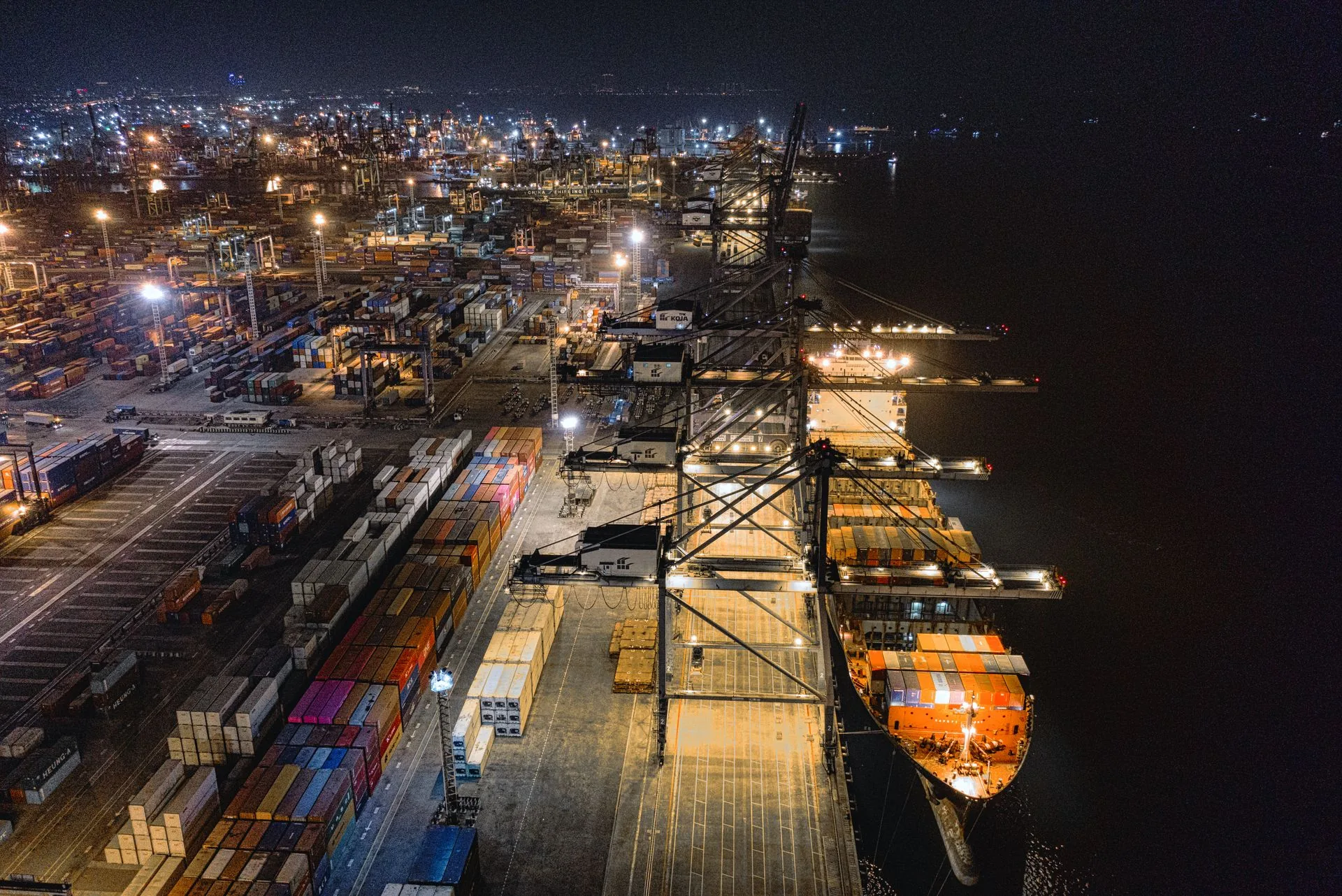
The default for medium and large volumes. You can book a full container (FCL) or share space in a consolidated container (LCL). We compare both in FCL vs LCL.
Air freight
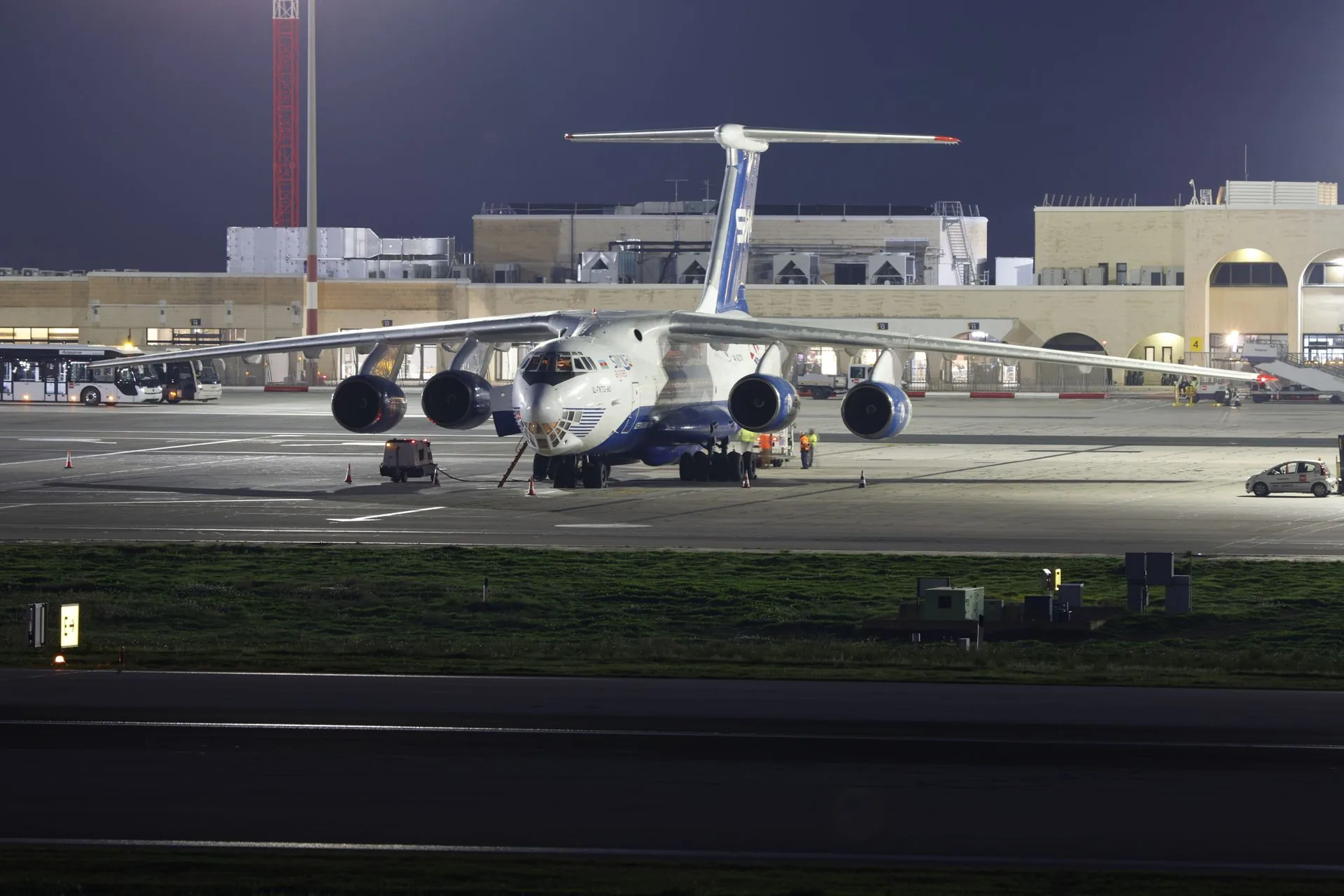
Best for urgent, high-value or light shipments. It is much faster, but the cost per kilo is far higher than by sea.
Rough transit times
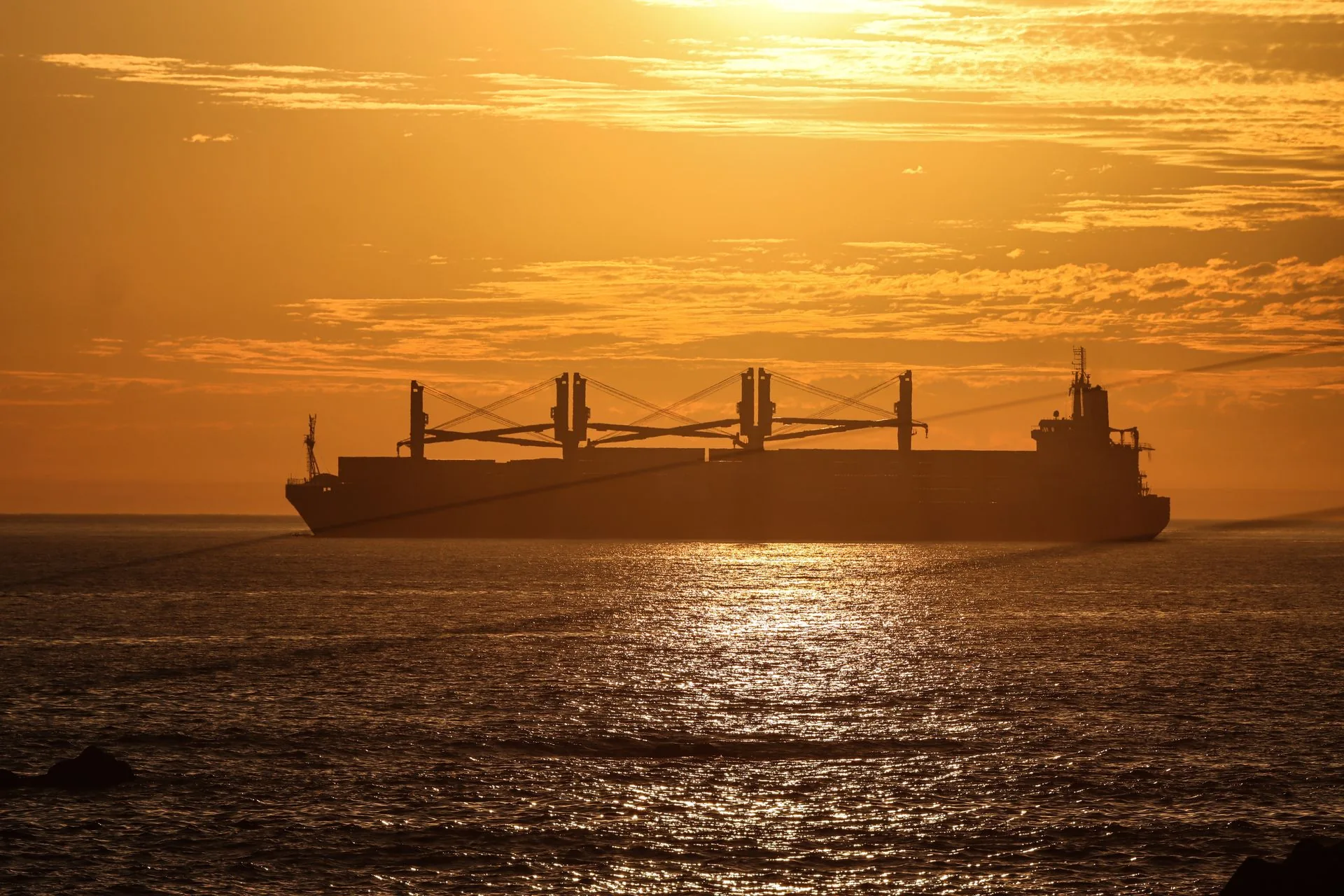
As an approximate guide only, port-to-port ocean transit from the main Chinese ports to Colombia often falls somewhere between four and seven weeks, depending on routing, transshipments and season. Air transit is usually counted in days. Production lead time, trucking in China, customs clearance and inland delivery in Colombia all come on top.
Step 4: Choose the Colombian port
Colombia has both a Pacific and a Caribbean coast:
- Buenaventura (Pacific) is the natural gateway for Asian cargo and the main port for imports from China.
- Cartagena and Barranquilla (Caribbean) also receive Asian cargo, typically via the Panama Canal or a transshipment hub. They can make sense when the final destination is on the north coast, or depending on available services.
If the cargo is going to Bogotá or another inland city, compare the total cost of ocean freight plus trucking from each port, not just the ocean rate.
Step 5: Prepare the shipping documents
The core document set is:
- Commercial invoice with an accurate description, quantities, values and the Incoterm.
- Packing list with packages, weights and dimensions.
- Transport document: a bill of lading (BL) for ocean or an air waybill (AWB) for air. See what a bill of lading and an air waybill are.
- Certificate of origin: Colombia does not currently have a trade agreement with China granting tariff preferences, but a certificate can still be useful or required in some cases, for example for products subject to trade defence measures.
- Cargo insurance policy, if purchased (strongly recommended).
- Permits or approvals where the product requires them.
Consistency matters. Differences in weights, quantities or descriptions between documents are a common cause of delays and penalties at Colombian customs.
Step 6: Get the Colombian importer ready
A few things must be in place on the Colombian side before the goods arrive:
- RUT registration: the importer must be registered in the RUT (Registro Único Tributario, Colombia's tax registry) with the appropriate customs user status. A foreign company without a Colombian entity generally needs a local importer of record.
- Tariff classification: Colombia uses a national tariff code based on the Harmonized System. The code determines the duty rate, the applicable VAT and any special requirements.
- Prior approvals: some goods need an import registration or licence through VUCE, Colombia's single window for foreign trade, or approvals from agencies such as INVIMA (food, cosmetics, medicines, medical devices) or ICA (agricultural and animal products). Others must meet technical regulations. Check this before the order is placed, not when the container is already in port.
Step 7: Clear customs
Customs in Colombia is run by DIAN, and the main customs regulation is Decreto 1165 de 2019. In practice, most commercial imports are cleared through a licensed customs broker (agencia de aduanas), which:
- Reviews the documents and classification.
- Files the import declaration and, where applicable, the Andean customs value declaration.
- Calculates and arranges payment of duties and taxes.
- Attends any physical or documentary inspection DIAN orders.
Duties and taxes
- Import duty: a percentage of the customs value that varies by tariff code.
- VAT (IVA): the general rate is 19%, though some goods carry a reduced rate or are excluded. On imports it is calculated on the customs value plus duty.
- Other charges: depending on the product, anti-dumping duties or other levies may apply.
The supplier's price is only the starting point. Add freight, insurance, origin and destination charges, duties, brokerage, storage and inland trucking to get the true landed cost.
Step 8: Deliver to the final warehouse
Once DIAN grants release, the goods can leave the port or bonded warehouse and move inland. Book trucking and delivery windows in advance, along with any short-term storage or onward distribution. Shipments handled by Speedy can be followed on our tracking page.
At a glance
| Stage | What to decide or check |
|---|---|
| Supplier | License, samples, inspection, payment terms |
| Incoterm | FOB is usually the most balanced starting point |
| Freight | Ocean FCL, LCL or air, based on volume and urgency |
| Port | Buenaventura, Cartagena or Barranquilla, based on final destination |
| Documents | Invoice, packing list, BL or AWB, origin, insurance |
| Colombia | RUT, tariff code, VUCE, INVIMA or ICA requirements |
| Clearance | Customs broker, declaration, duty and VAT |
Need a hand?
Speedy Logistics works as the foreign-trade and logistics department for its clients, coordinating freight from China (including weekly LCL consolidations), cargo insurance, customs brokerage and delivery anywhere in Colombia. Whether you are buying from China or selling into Colombia, get in touch and we will help you plan the shipment end to end.